
Editorial Contributions & Industry Insights
As an international key opinion leader with extensive experience in the healthcare ecosystem, I have been at the forefront of shaping industry discussions and policy. Since 2018, I have contributed to PharmaBoardroom, offering in-depth analysis and insights on emerging trends, regulatory changes, and strategic developments within the global healthcare landscape. My work is grounded in a deep understanding of the industry's complexities, making me a trusted voice for stakeholders across the healthcare spectrum.
Featured Posts

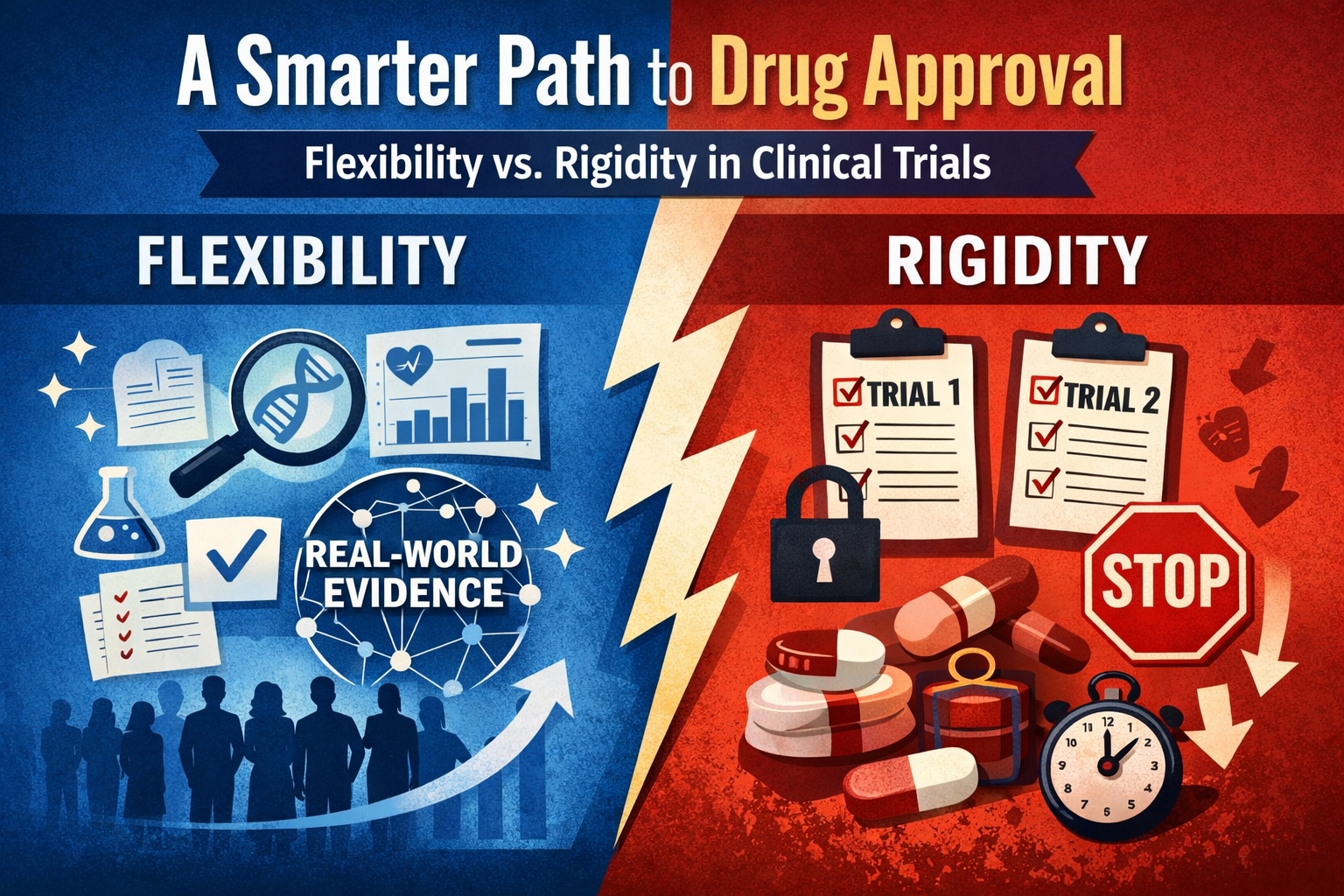
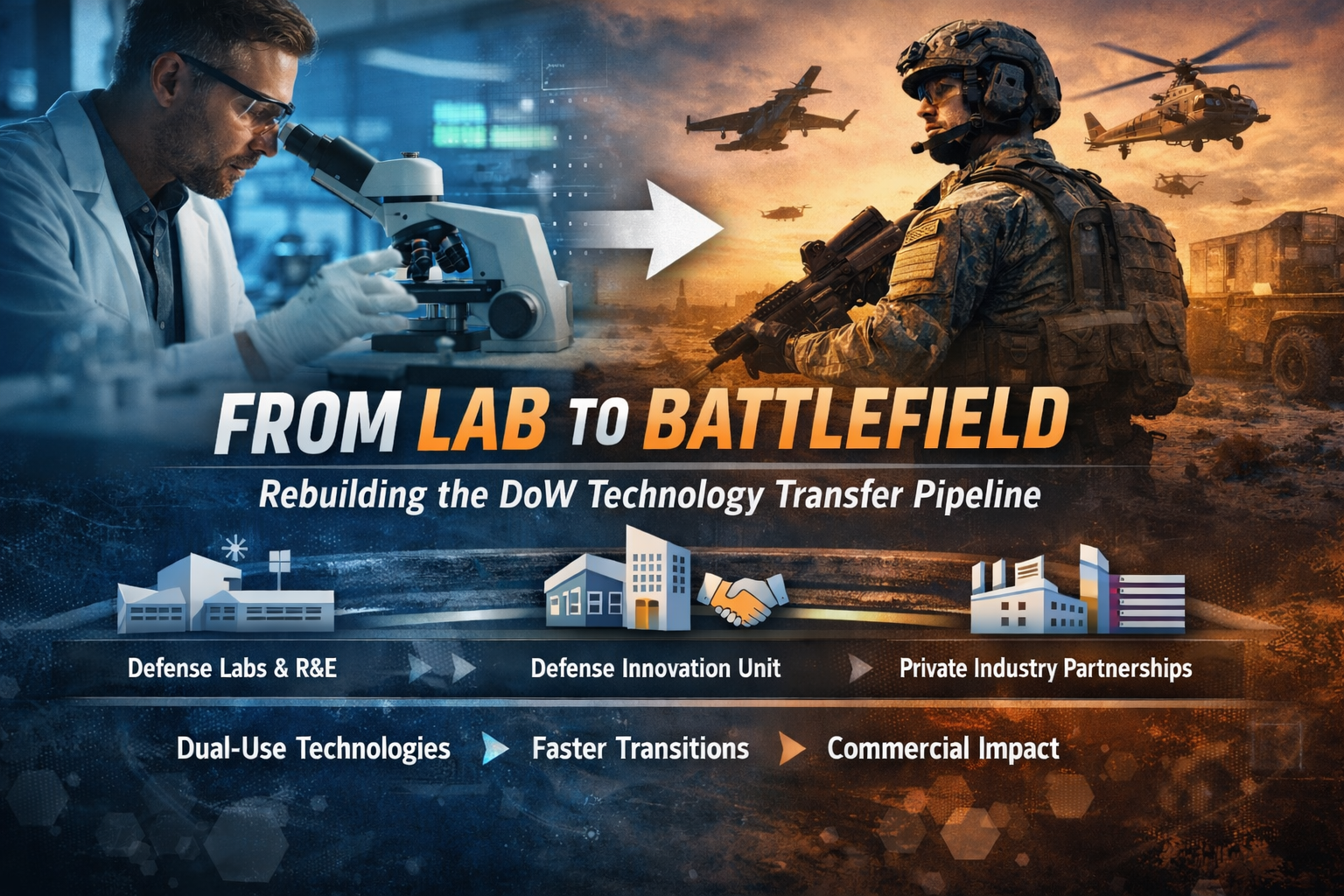

From Lab to Battlefield: How the Department of War Is Rebuilding the Technology Transfer Pipeline
Innovation has never been the Department of War’s problem. Transition has.
Despite billions invested annually in cutting-edge research, too many defense-origin technologies stall before reaching the field, the market, or the warfighter. At the Defense Patent Holiday, DOW leaders made clear that this is changing. Technology transfer is being rebuilt as a strategic capability—one that prioritizes speed, commercial viability, and scale. This article explores what’s driving that shift and what it means for organizations navigating the new defense innovation landscape.
Subscribe to our newsletter.
Sign up with your email address to receive news and updates.
Rare disease communities are demanding faster cures—but defending a system where over 90% of drugs fail to translate from animals to humans won’t get us there. This article breaks down why FDA is shifting toward human-relevant science, what NAMs really mean, and why better prediction—not more of the same—is the path to real progress.