
Editorial Contributions & Industry Insights
As an international key opinion leader with extensive experience in the healthcare ecosystem, I have been at the forefront of shaping industry discussions and policy. Since 2018, I have contributed to PharmaBoardroom, offering in-depth analysis and insights on emerging trends, regulatory changes, and strategic developments within the global healthcare landscape. My work is grounded in a deep understanding of the industry's complexities, making me a trusted voice for stakeholders across the healthcare spectrum.
Featured Posts

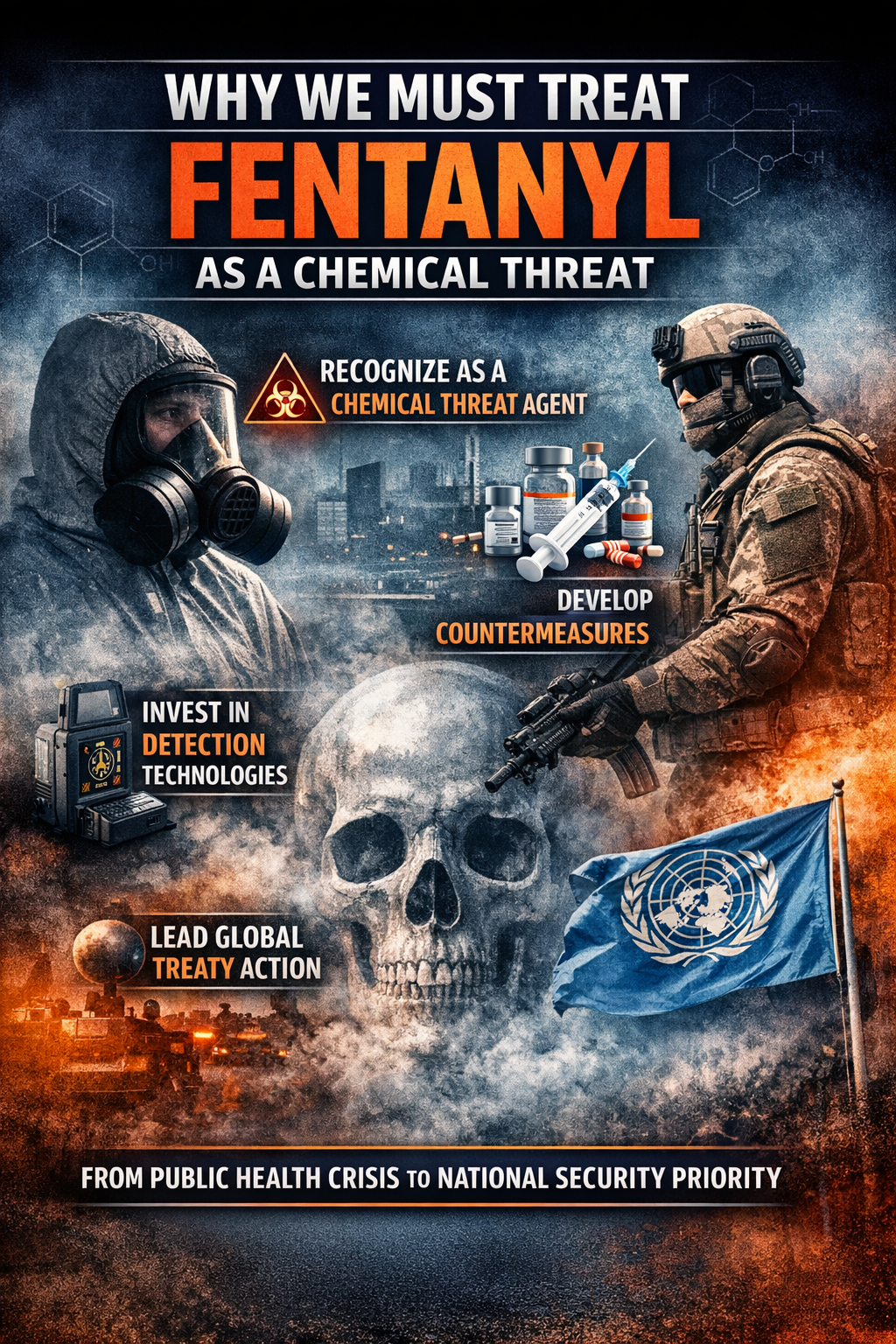
Why We Must Treat Fentanyl as a Chemical Threat — and What Strategic Action Looks Like
Fentanyl has rightly been framed as a public health emergency. But that framing alone is no longer sufficient.
Illicit fentanyl now sits at the intersection of public health, national security, and chemical threat preparedness. Its extreme potency, ease of synthesis, and global availability create a dual-use risk that adversaries could exploit far beyond traditional drug trafficking. Former Department of Defense officials have already warned that terrorist groups may one day attempt to aerosolize fentanyl or its analogues—an alarming prospect with real historical precedent.
In 2002, an aerosolized fentanyl-based compound was used during the Moscow theater hostage crisis, killing more than 130 civilians. Today, similar compounds are more accessible, more potent, and embedded in illicit supply chains that span the globe. The question is no longer whether this risk exists—but whether our preparedness frameworks are aligned to confront it.
Treating fentanyl as a potential chemical threat does not criminalize medicine or undermine addiction treatment. It strengthens deterrence, improves readiness, and ensures that medical countermeasures, detection technologies, and defense doctrine keep pace with evolving threats.
Preparedness is not panic. It is policy maturity.
The full article outlines what strategic action looks like—from modernizing medical countermeasure development to investing in detection and deterrence technologies and leading international norms that close dangerous legal gaps.
Subscribe to our newsletter.
Sign up with your email address to receive news and updates.
Rare disease communities are demanding faster cures—but defending a system where over 90% of drugs fail to translate from animals to humans won’t get us there. This article breaks down why FDA is shifting toward human-relevant science, what NAMs really mean, and why better prediction—not more of the same—is the path to real progress.