
Editorial Contributions & Industry Insights
As an international key opinion leader with extensive experience in the healthcare ecosystem, I have been at the forefront of shaping industry discussions and policy. Since 2018, I have contributed to PharmaBoardroom, offering in-depth analysis and insights on emerging trends, regulatory changes, and strategic developments within the global healthcare landscape. My work is grounded in a deep understanding of the industry's complexities, making me a trusted voice for stakeholders across the healthcare spectrum.
Featured Posts


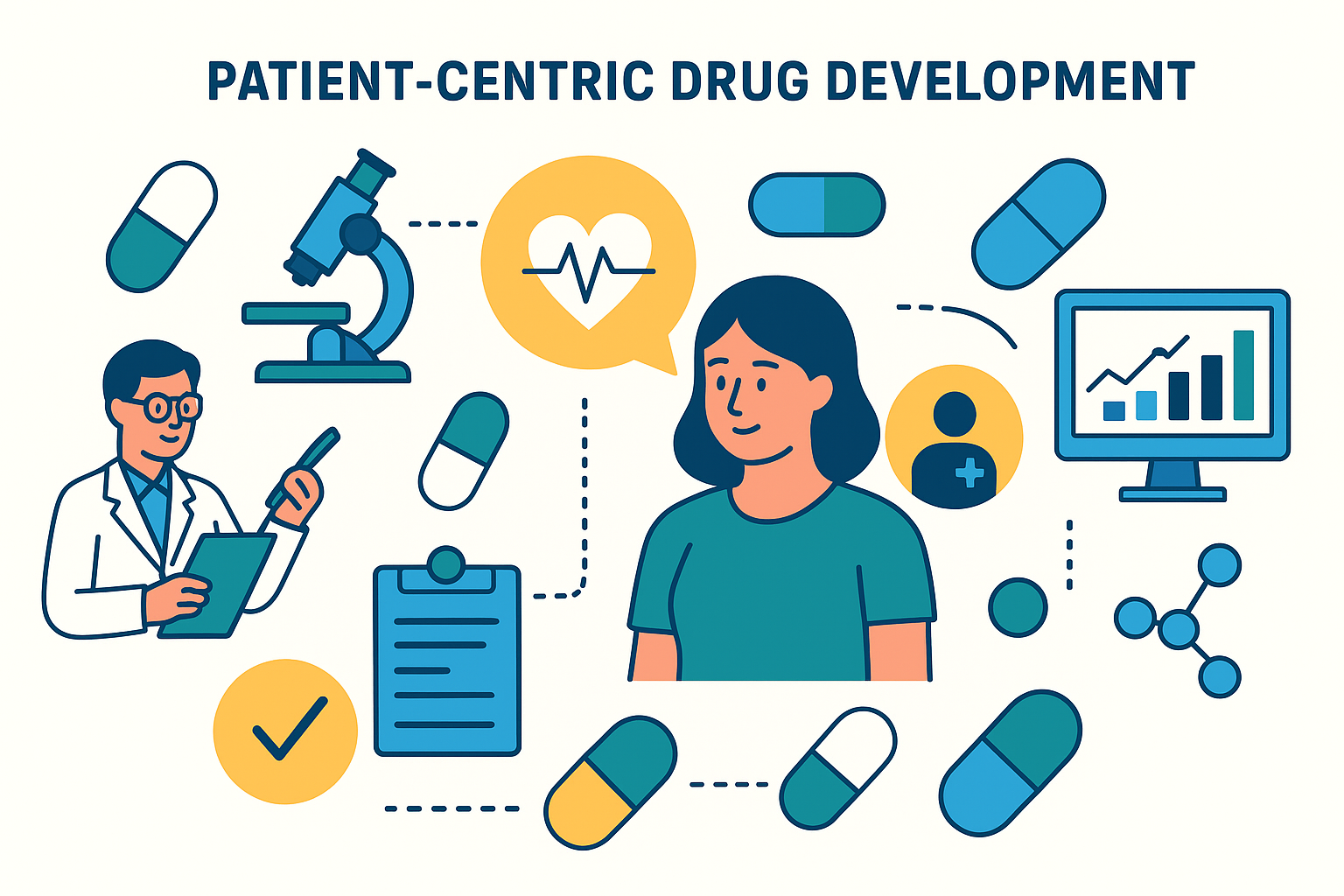
From Engagement to Evidence: Building a Holistic Measure of Patient-Focused Drug Development
While Patient-Focused Drug Development (PFDD) has elevated the patient voice in healthcare, significant gaps remain in translating these insights into measurable outcomes. True patient centricity goes beyond consultation—it requires embedding patient perspectives into every stage of drug development, from trial design to post-market evaluation. Yet, challenges persist: inconsistent patient engagement, lack of standardized metrics, and limited frameworks to assess the impact of patient input on decision-making. Measuring the success of patient-centric initiatives demands clear indicators, such as improvements in patient-reported outcomes, enhanced treatment adherence, and tangible changes in clinical or regulatory decisions. Only by identifying these gaps and establishing robust metrics can we ensure that patient-centered strategies deliver meaningful results rather than symbolic gestures.
Subscribe to our newsletter.
Sign up with your email address to receive news and updates.
Rare disease communities are demanding faster cures—but defending a system where over 90% of drugs fail to translate from animals to humans won’t get us there. This article breaks down why FDA is shifting toward human-relevant science, what NAMs really mean, and why better prediction—not more of the same—is the path to real progress.